 Cesar
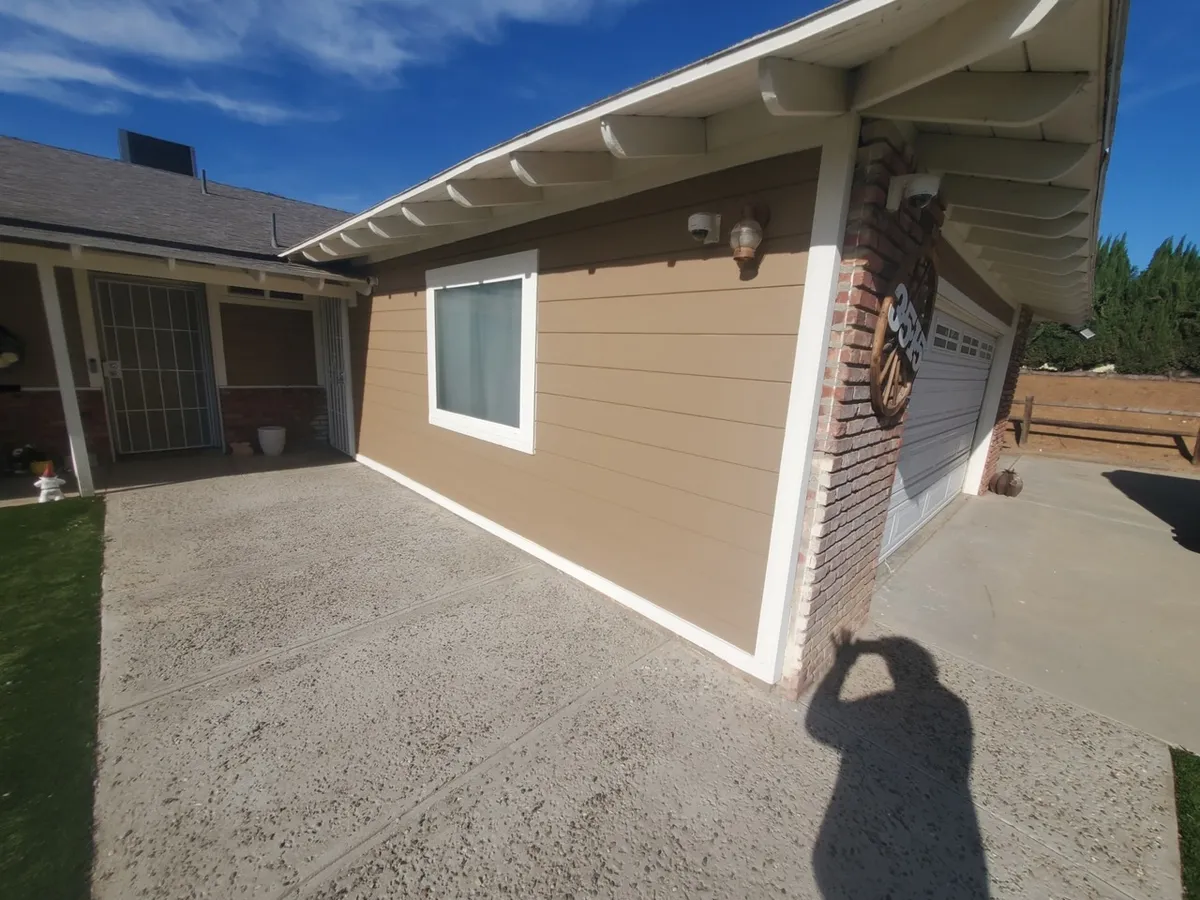
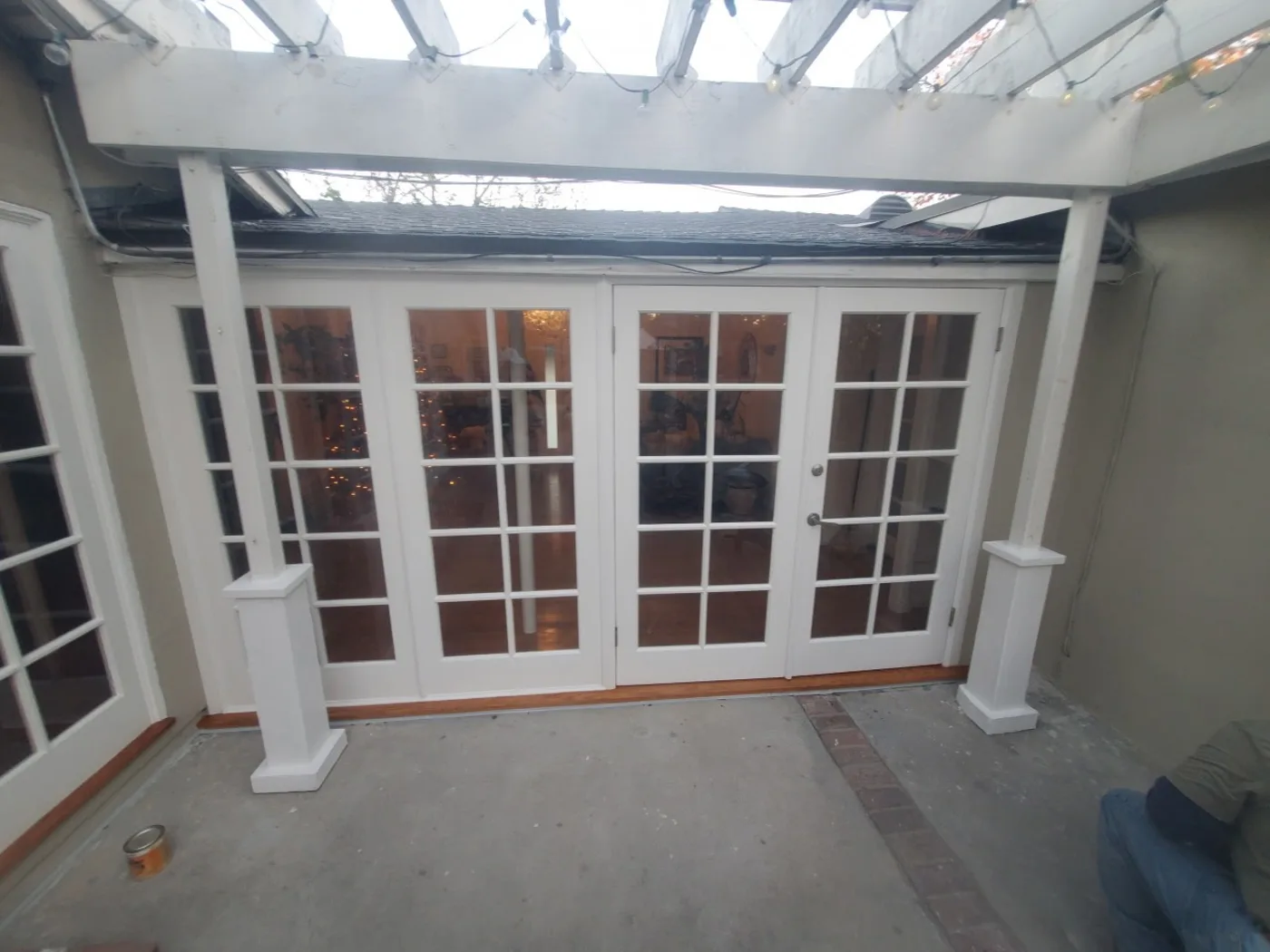
What does a proper painting job include besides the paint?
Preparation is most of the work. A proper job includes protecting floors and furniture, washing or degreasing surfaces, scraping loose paint, filling holes and cracks, sanding, caulking gaps and priming bare or repaired spots. The coats of paint go on last, which is why prep decides how long the finish holds up.
Painters often lose time and trust on the part nobody photographs. Here is how a typical interior or exterior job runs:
- Move or cover furniture, and mask floors, hardware and anything we are not painting.
- Wash the surface so paint can bond: grease, dust and chalky residue all cause peeling.
- Scrape and sand loose or glossy areas, and feather the edges so old paint ridges do not show.
- Patch holes and cracks, then caulk gaps at trim, corners and joints.
- Prime bare wood, stains and repaired spots so the topcoat dries with an even sheen.
- Apply two coats of finish paint, cutting in clean lines at edges, ceilings and trim.
- Remove masking, touch up, and clean up before we leave.
Skipping any one of these usually shows up within a season or two, long before the paint has aged out.
How do interior and exterior painting differ?
Interior painting focuses on clean lines, smooth patched walls and low-odor products, while exterior painting has to survive sun, moisture and temperature swings. Exteriors need more washing, scraping and caulking, plus dry weather to cure properly. The same prep principles apply to both, only the stakes for failure are higher outside.
The table below shows how we usually think about each.
| Interior | Exterior | |
|---|---|---|
| Main enemy | Scuffs, stains, patched holes and cracks | Sun, moisture, dirt and temperature swings |
| Prep emphasis | Patching, sanding and masking | Washing, scraping, caulking and priming |
| Weather | Not a factor, though humidity slows drying | Needs dry, mild days for the paint to cure |
| Typical surfaces | Walls, ceilings, trim, doors, cabinets | Stucco, siding, trim, fascia, doors, fences |
| Finish choice | Sheen matched to room use | Exterior-rated paint for the surface type |
What should I know about painting stucco, wood and trim?
Each surface needs its own approach. Stucco is porous and needs a clean, patched surface and an exterior-rated paint or elastomeric coating if cracks are an issue. Wood needs scraping and sealing of bare spots, and trim needs caulked joints. Using the right primer for each surface prevents most early failures.
Stucco absorbs paint, so hairline cracks and chips should be filled before painting. Larger or recurring cracks are better repaired first, which is covered on our stucco repair page. Bare wood left unprimed soaks up the topcoat and flashes, which means a patchy sheen even when two coats are applied.
- Stucco: wash, patch cracks and chips, prime bare patches, then use an exterior paint suited to masonry
- Wood siding and trim: scrape, sand, spot-prime bare areas and caulk joints before painting
- Doors: remove or mask hardware, sand glossy surfaces and use a durable enamel
- Interior walls: patch and sand, spot-prime repairs, then roll two coats
- Ceilings: cut in carefully and roll in a consistent direction to avoid lap marks
How long does a painting job take?
A single room is often finished in one to two days, and a full exterior takes several. Most of that time is prep and drying between coats, not brushwork. Humid or cool weather slows drying, and exterior jobs depend on dry days. Cesar gives you a realistic schedule at the free estimate.
Rushing between coats is the most common cause of tacky finishes, streaking and peeling. Primer and paint each have a recoat time printed on the can, and we follow it rather than shortening it to finish early.
If the job includes repairs, such as drywall patching or stucco work, those come first and need to cure before painting starts. We plan the order so you are not living in a half-finished space longer than necessary.
Can you match my existing paint color?
Usually, yes. A paint store can scan a chip or sample and mix a close match, and a leftover can with the color name helps even more. Aged paint fades, so an exact match on one patch rarely blends. For the most even result, we paint a wall or surface corner to corner.
If you want to touch up a few spots, have the original color name and brand if you have it. Walls that were painted years ago have faded and picked up dirt, so a fresh patch of the same color can look different. Repainting the full wall solves that.
If you are choosing a new color, look at samples on the wall in both morning and evening light before deciding. Cesar can help you think through sheen and trim contrast, though the choice is always yours.
What should I do before the painters arrive?
Clear small items from the rooms or areas being painted, move furniture toward the center or tell us and we will help, and take down wall art and curtains. For exteriors, trim back plants touching the walls and clear the ground around the house. Let us know about pets, children and anyone sensitive to odors.
- Remove small items, wall hangings and breakables from the work area
- Point out any areas of past water damage, cracks or soft wood so we can plan repairs
- Keep pets and children out of rooms being painted, and ventilate when we are done
- For exteriors, move vehicles, grills, planters and furniture away from the walls
- Find leftover paint or the color name and brand if you want to match something
What is and is not included
Included
- Floor, furniture and fixture protection with masking and drop cloths
- Surface washing, scraping, sanding and spot priming
- Patching of small holes and cracks, and caulking of gaps at trim and joints
- Two coats of finish paint on the surfaces we agree on at the estimate
- Cleanup of masking and debris when the job is complete
Not included
- Lead paint testing or abatement, which belongs to specialists, and Cesar will tell you up front if your home's age raises the question
- Major drywall, stucco or wood repairs, which are scoped as separate repair work at the estimate
- Electrical or plumbing changes, such as moving a light fixture or switch plate wiring
- Wallpaper removal and specialty or historic finishes, which are confirmed case by case
Where we offer painting
We provide painting across the San Gabriel Valley and the Inland Empire. Pick your city for local details:
Related handyman services
Related guides
- Getting Your Fence and Gate Ready for Santa Ana Wind SeasonA pre-season check of posts, fasteners, hinges and latches, plus how to tell a quick fix from a repair that should not wait.
- Rental Turnover Checklist: Repairs to Make Between TenantsA room-by-room landlord checklist and a sensible work order for getting a rental ready between tenants.
- Repairs Worth Making Before You Sell Your Home in the San Gabriel ValleySmall, visible and inspection-sensitive repairs usually come first; big remodels usually do not belong on a pre-listing list.
- Stucco Cracks: Which Ones Are Harmless and Which Need a Closer LookCrack width, direction and location tell you whether a stucco crack can be sealed, watched or needs a closer look.
- Why Your Door Sticks or Won't Latch, and How It Gets FixedLoose hinges, swelling, paint buildup and a shifted frame cause most sticking doors, and most are quick to fix once you find which one it is.
- Drywall Patch or Replace? How to Tell (and What Each Involves)Hole size, moisture and the cause of a crack decide whether a patch will hold or a section needs replacing.
Frequently asked questions
Do you offer free estimates for painting?
Yes. Estimates are always free and carry no obligation. Call (909) 775-1885 or use the quote form on the homepage, and Cesar will look at the job, confirm the scope and explain what it involves before any work is scheduled.
Do you paint both interior and exterior?
Yes. We paint interior walls, ceilings, trim and doors, and exterior stucco, siding, trim and fences. Prep is part of every job, and Cesar will explain what your surfaces need when he looks at them.
How many coats of paint will I get?
We typically apply a primer where it is needed and two coats of finish paint. Some color changes or bare surfaces call for extra coverage, and Cesar will say so at the estimate rather than surprise you later.
Do you supply the paint?
We can supply it or work with paint you have already chosen. Either way, we will talk through product, sheen and color at the estimate so the material suits the surface and the room.
Can you paint cabinets or doors?
Yes, doors and many cabinets can be painted. They need thorough cleaning, sanding and the right primer to hold up to daily use. Cesar will look at the existing finish and tell you plainly whether painting is the right option.
What happens if paint starts to peel later?
Every project is backed by our craftsmanship warranty. If a finish fails because of our work, we come back and make it right. Peeling often traces to moisture behind the surface, which we will point out at the estimate if we see signs of it.
Which areas do you cover for painting?
We serve Pasadena and the wider San Gabriel Valley, the Inland Empire and nearby communities. See the full list on our areas page, or call (909) 775-1885 with your city and we will confirm we can reach you.
Do you offer discounts?
Yes. Active military, veterans and seniors receive 5% off. Mention it when you call or book and we will apply it to your estimate.
Ready to get painting taken care of? Estimates are free.