 Cesar
What does a drywall repair actually involve?
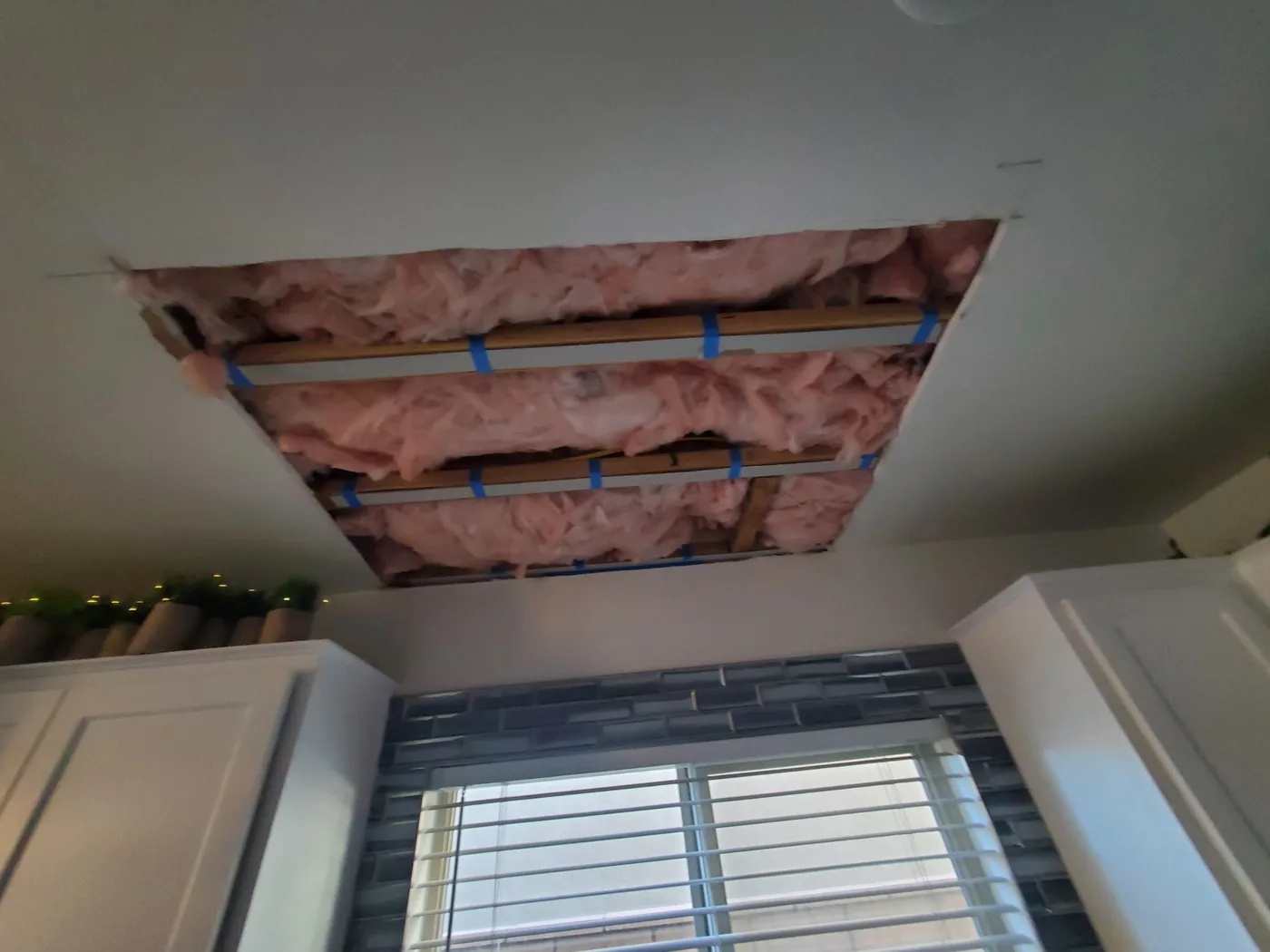
A proper drywall repair has four stages: cut out damaged or loose material, fit and fasten a new piece of board, tape and apply joint compound in several thin coats, then sand, texture and prime so the paint blends in. Skipping the drying time between coats is the usual reason a patch shows through.
The order matters more than the materials. Here is how a typical repair runs from start to finish:
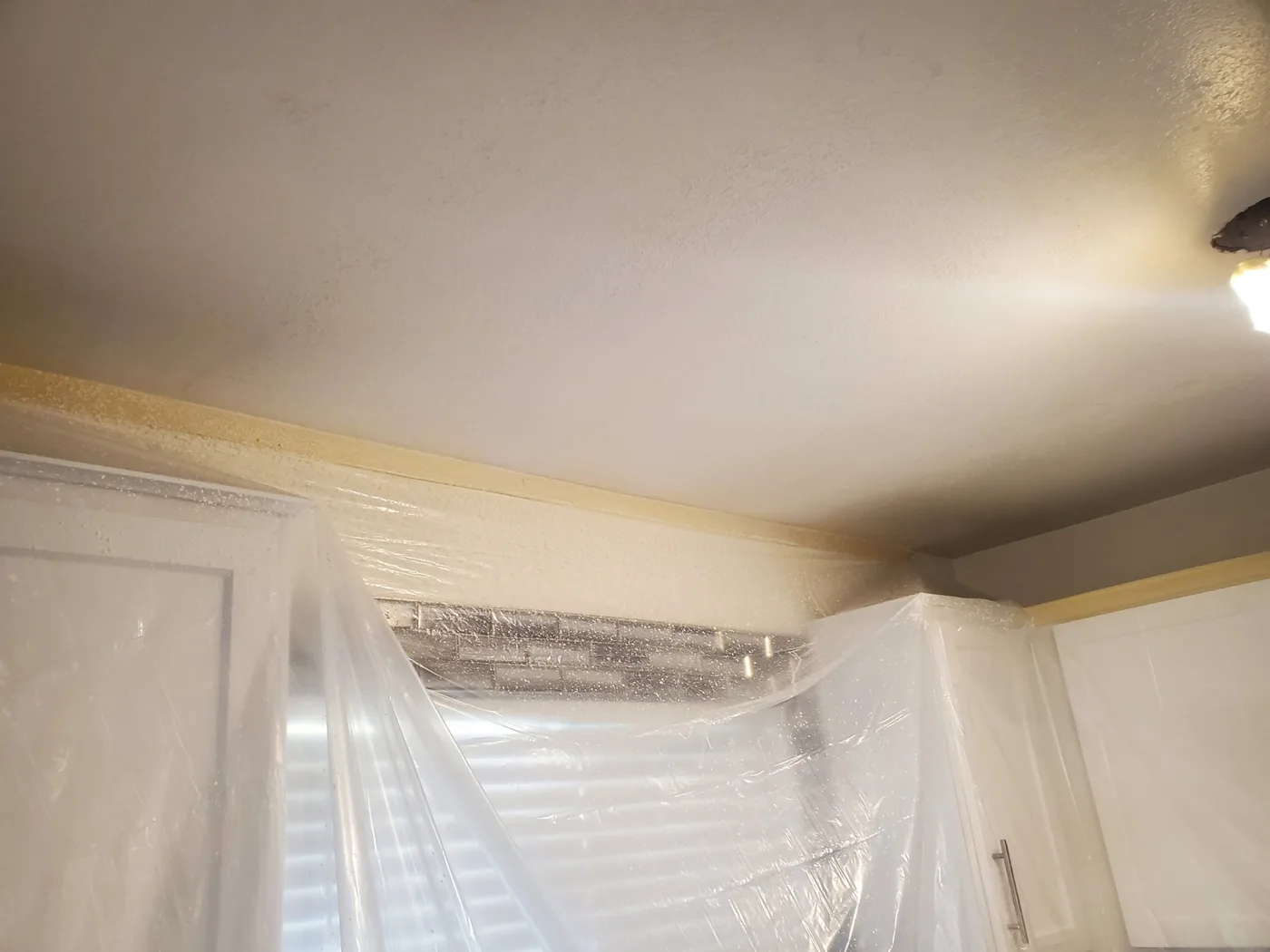
- Protect the floor, furniture and anything nearby with plastic sheeting and drop cloths.
- Cut back to solid, dry board so the new piece has something sound to attach to.
- Fasten new drywall to the framing or to a backing piece, so it sits flush with the wall.
- Tape the seams and apply joint compound in thin coats, letting each one dry before the next.
- Sand smooth, match the surrounding texture, then prime so the paint sheen is even.
- Clean up the dust and debris before we leave.
Thin coats feathered out well past the edge of the patch are what make a repair invisible. One thick coat dries unevenly, cracks, and leaves a visible ridge under paint, especially on ceilings where light rakes across the surface.
Can small holes and cracks be patched, or does the board need replacing?
Holes up to a few inches across can usually be patched with a backing piece and compound. Larger holes, water-stained or soft board, and cracks that keep returning generally call for cutting out and replacing a section, because compound alone cannot restore strength or stop movement.
This table shows the approach we usually recommend. Cesar confirms the right fix when he sees the damage in person.
| Type of damage | Typical approach | Why |
|---|---|---|
| Nail pops and small dents | Reset the fastener, fill and spot-prime | Surface problem only, no board replacement needed |
| Hole from a doorknob or wall mount | Backing piece, patch and several thin coats of compound | Restores a flat surface that can be textured and painted |
| Large hole or opened wall | Cut out and replace a section of board | A patch cannot span an area that large without cracking |
| Cracked or lifting tape at seams | Remove loose tape, re-tape and re-coat | Fixes the seam rather than hiding it |
| Water-stained or soft ceiling | Find the source, then replace the affected board | Wet board loses strength and will stain through new paint |
What causes drywall to crack, stain or bubble?
Most drywall damage comes from three things: movement, such as settling and seasonal humidity changes that crack seams and corners; moisture, from leaks, condensation and poor ventilation that stain, soften and bubble the board; and impact from door handles, furniture and mounting hardware. Fixing the cause matters as much as fixing the surface.
Cracks that start at the corners of doors and windows are usually movement. They can be repaired and will often stay closed, although a house that keeps settling may show them again. Hairline cracks along taped seams are common and are usually cosmetic.
Brown or yellow rings on a ceiling, paint that bubbles, and board that feels soft all point to water. Common sources include a leaking pipe or fixture above, a roof leak, or a bathroom fan that vents into the attic instead of outside. Repainting over a stain without finding the source only hides the problem for a few months.
- Impact damage: handles, furniture and removed wall mounts leave dents and holes
- Movement: settling, seasonal humidity and vibration crack corners and seams
- Moisture: leaks and condensation stain, swell and soften board over time
- Poor original finishing: thin tape or skipped coats can fail years later
Can you match my existing wall or ceiling texture?
In most cases, yes. Common California finishes such as orange peel, knockdown, skip trowel and popcorn can be matched by sampling the existing pattern and building the new coat to the same density. How close the match gets depends on the age and finish of the wall, so Cesar checks a sample on site first.
Texture is what separates a repair you can find from one you cannot. We test the pattern on a scrap piece, compare it in the room's real light, and adjust before committing it to the wall.
Painting matters just as much. New compound and primer never match aged paint exactly, so the best result comes from painting the repaired wall or ceiling corner to corner rather than only the patch. Interior painting is part of the services we offer.
A note on older homes: textured ceilings and joint compound in houses built before the 1980s can contain asbestos. If your home is older and the texture will be sanded or disturbed, have it tested by a qualified specialist first. We will tell you if we think that step is needed.
How long does a drywall repair take?
A single small patch is typically finished within a day or two, and most of that time is spent waiting for compound to dry between coats. Larger wall or ceiling sections take longer because each coat has to cure before sanding. Cesar gives you a realistic schedule at the free estimate.
Drying time is the part that cannot be rushed. Compound applied too thickly, or sanded before it has cured, shrinks and cracks later. Warm, dry days speed things up; humid or cold weather slows them down.
If several rooms need work, or the repair is part of a larger update, we plan the sequence so the dusty work is finished before painting begins.
Should a leak be fixed before the drywall is repaired?
Always. New drywall over an active leak will stain, swell and can grow mold again. Find and stop the source first, let the framing dry fully, then repair the board. If the source belongs to a plumber or roofer, they may need to fix it first, and Cesar will tell you plainly.
If you see a stain spreading, or board that is wet or sagging, shut off water to that area if you can do so safely and call us. Photos of the damage and a note of when you first noticed it help a lot.
Widespread mold growth is a separate problem from a drywall patch and has to be dealt with before anything is closed up. We will explain what we see and what the next step should be.
What should I do before the repair visit?
Clear furniture and wall hangings from about three feet around the damaged area, photograph the damage and any stains, and note when you first saw it. If water is involved, turn off the source if you can do so safely. Having the paint color or a leftover can on hand also helps.
- Move furniture and wall art away from the work area, or tell us and we will help
- Take clear photos before and after you clear the space
- Note any smells, stains, sounds or past repairs in the same spot
- Find leftover paint, or the color name and brand if you know it
- Mention pets or anyone sensitive to dust so we can plan around them
Do I need to repaint after a drywall repair?
Usually, yes. New compound and primer never match aged paint exactly, so the repaired wall or ceiling generally needs fresh paint. For the most even result, paint the whole surface from corner to corner instead of only the patch. Cesar & Cesar offers interior painting, so the two jobs can be planned together.
A small repair on a wall that was painted recently may blend with a careful touch-up if you still have the original paint. On older or faded walls, a touch-up tends to show as a different-colored patch, which is why full-surface painting gives the best result.
What is and is not included
Included
- Cutting out and removing damaged or loose drywall
- New board fastened securely, with taped seams and several thin coats of compound
- Sanding, texture matching and priming of the repaired area
- Floor and furniture protection, plus cleanup of dust and debris
- Interior painting of the repaired surface, if you want it done in the same job
Not included
- Repairing the source of a leak, since plumbing and roof repairs are scoped separately
- Testing or removal of asbestos, lead paint or widespread mold, which belongs to specialists
- Structural framing changes, which are scoped separately at the estimate
- Specialty finishes such as wallpaper or historic plaster, which are confirmed case by case
Where we offer drywall repair
We provide drywall repair across the San Gabriel Valley and the Inland Empire. Pick your city for local details:
Related guides
- Rental Turnover Checklist: Repairs to Make Between TenantsA room-by-room landlord checklist and a sensible work order for getting a rental ready between tenants.
- Repairs Worth Making Before You Sell Your Home in the San Gabriel ValleySmall, visible and inspection-sensitive repairs usually come first; big remodels usually do not belong on a pre-listing list.
- Drywall Patch or Replace? How to Tell (and What Each Involves)Hole size, moisture and the cause of a crack decide whether a patch will hold or a section needs replacing.
Frequently asked questions
Do you offer free estimates for drywall repair?
Yes. Estimates are always free and carry no obligation. Call (909) 775-1885 or use the quote form on the homepage, and Cesar will look at the damage, confirm the scope and explain what the repair involves before any work is scheduled.
Will the repair be visible after painting?
A well-done repair should not be. The keys are thin coats feathered wide, a texture that matches the surrounding wall and fresh paint applied across the whole surface. We check the finished area in the room's real light before we call it done.
Can you fix holes left by a removed TV mount or shelf?
Yes. Holes from wall anchors, brackets and mounts are patched with backing and compound, textured to match, primed and painted if you want. Larger openings may need a section of board replaced, and we will explain which applies at the estimate.
Do you repair water-damaged ceilings?
We repair the drywall once the source of the water is found and fixed and the framing is dry. If the leak comes from plumbing or the roof, that repair is scoped separately, and we will tell you plainly what has to happen first.
How do you keep dust under control?
We protect floors and furniture with plastic sheeting and drop cloths, sand carefully, and clean up before we leave. Sanding always creates some fine dust, so tell us about pets, allergies or sensitive items and we will plan around them.
Is drywall repair covered by a warranty?
Every project is backed by our craftsmanship warranty. If a repair is not right, we come back and make it right. That is the point of putting our name on the work, and we are glad to answer questions about how it applies to your job.
Which areas do you cover for drywall repair?
We serve Pasadena and the wider San Gabriel Valley, the Inland Empire and nearby communities. See the full list on our areas page, or call (909) 775-1885 with your city and we will confirm we can reach you.
Do you offer discounts?
Yes. Active military, veterans and seniors receive 5% off. Mention it when you call or book and we will apply it to your estimate.
Ready to get drywall repair taken care of? Estimates are free.